
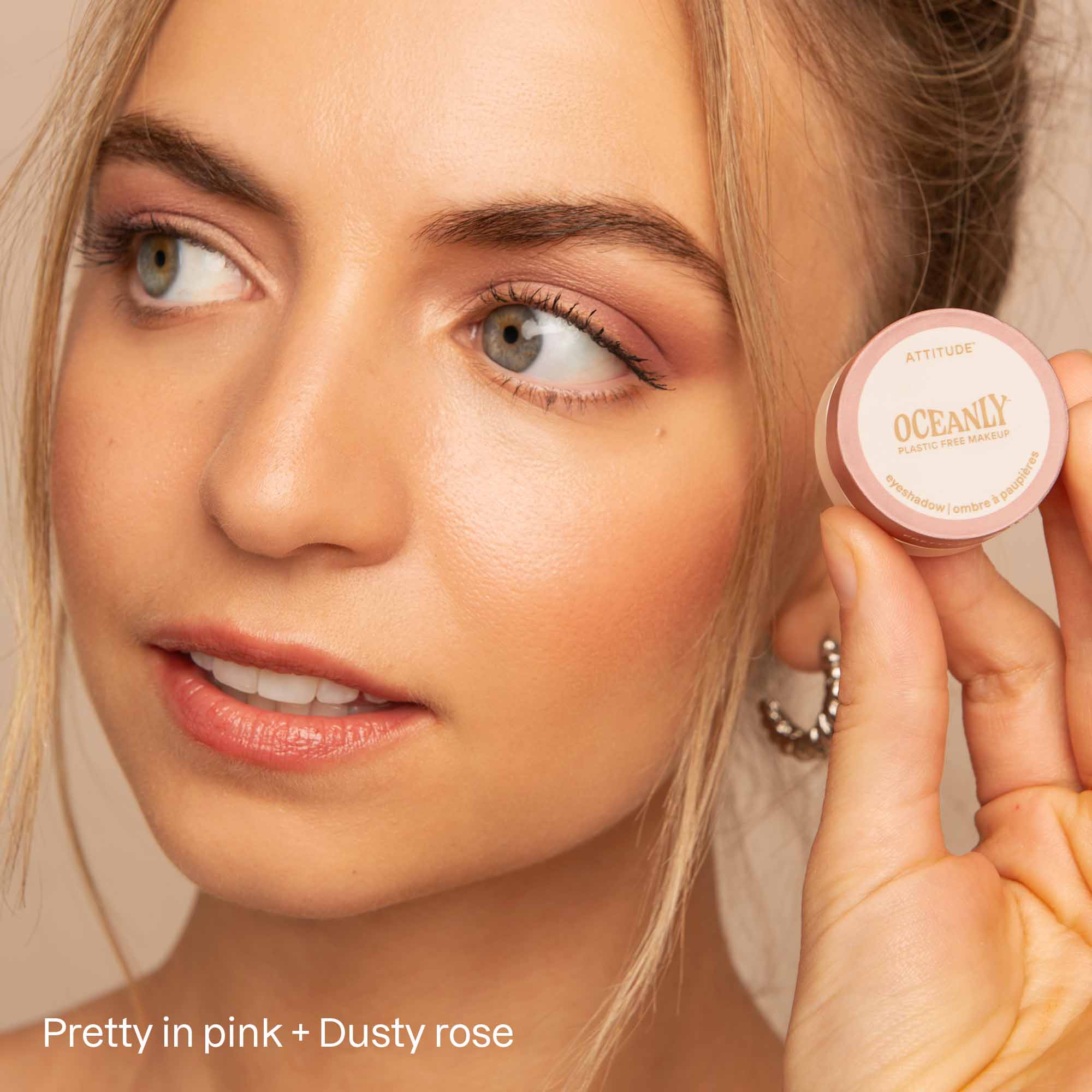
Start with the format, not the color
The fastest way to choose an everyday eyeshadow is to decide how much product and how many shades you actually need. A compact single shade is easier to finish and easier to carry than a large palette, and it forces a simpler routine. The Attitude Eyeshadow comes in a 0.16 FL.OZ. compact, which is a practical size for daily use and for keeping in a bag. That size also means you are committing to one shade at a time, so the choice matters more than it would in a multi-pan palette.
If you are new to eyeshadow, a single standard-format shade is a low-risk starting point. You can wear it alone, blend it with a finger, or use it as a base for other products. The trade-off is variety: one compact gives you one color story, while a palette gives you several. For everyday wear, that limitation is often an advantage because it removes the morning decision.
What the Attitude Eyeshadow record confirms
- Eyeshadow -0.16 FL.OZ.: Compact 0.16 FL.OZ. size for easy application and portability. A small format suits everyday use and travel, but it also means you are choosing one shade rather than a full palette.

Eyeshadow -0.16 FL.OZ. - Eyeshadow -0.16 FL.OZ.: Available in a Standard format with selectable Shade options. You can pick a shade that fits your routine, but the record does not list the specific shades, so check the current options before buying.
How to narrow your shade choice
Use these checkpoints to move from a vague idea to a specific shade. They are general selection tips, not instructions from the product record.
- Match the shade to your everyday contrast: If you want a subtle wash of color, look for a shade close to your natural lid tone. If you want more definition, choose a shade a step or two deeper. The goal is a shade that looks intentional without requiring a full eye look.
- Decide between neutral and visible color: Neutral shades are easier to wear daily and pair with more lip and cheek colors. A more saturated shade can still be everyday if you apply it sheerly, but it demands more control. For beginners, a neutral or soft mid-tone is the safer first compact.
- Consider your skin's undertone, not just its depth: Warm undertones often suit peach, bronze, and warm brown shades; cool undertones often suit taupe, rose, and soft plum. This is a starting point, not a rule. The most reliable test is to swatch the shade on your inner arm or lid in the light where you will wear it.
- Check the finish if the record provides it: The supplied information for this Attitude Eyeshadow does not confirm a finish such as matte, shimmer, or satin. If finish matters to you, verify it on the shade listing before you buy rather than assuming.
- Plan for one compact, not a collection: A 0.16 FL.OZ. single shade is best treated as a workhorse. Choose a color you can wear three or four times a week, not a special-occasion shade that stays in the drawer.
A simple everyday routine with one shade
With a single compact, keep the application simple. Tap a small amount onto the lid and blend the edges with a clean finger or brush. If you want more intensity, build in thin layers rather than applying a lot at once. The compact size makes it easy to carry for a midday touch-up, but the record does not supply specific application instructions, so follow the method you normally use for powder eyeshadow.
For a beginner-friendly look, pair the eyeshadow with a neutral lip and skip liner. That keeps the focus on the lid color and reduces the number of products you need to coordinate. If you want a more defined eye, use the same shade along the lower lash line with a small brush, then blend.
Single compact vs. palette for everyday wear
The right choice depends on how you actually get ready in the morning.
- Single compact: Lower commitment, easier to finish, and more portable. Best if you want one reliable everyday shade and do not want to think about combinations. The Attitude Eyeshadow's 0.16 FL.OZ. format fits this approach.
- Palette: More variety and more room to experiment, but also more decisions and a higher chance that some shades go unused. Better if you already know you like building looks or if you travel with multiple colors.
What the supplied information does not confirm
The product record confirms the compact size, the standard format, and selectable shade options, but it does not list the specific shades, finishes, ingredients, or care instructions. It also does not provide patch-test guidance or suitability claims for sensitive eyes. Treat those as unknowns to verify on the current product page or with the brand before you buy. If you have known sensitivities, check the ingredient list for the exact shade you are considering rather than assuming all shades share the same formula.

